Frequently Asked Questions
What are sausage casings made of?
Sausage casings are made from natural animal intestines, typically pork, sheep, or cattle, or from manufactured materials such as collagen, cellulose, or plastic. The type used depends on the sausage and whether the casing is edible.
What are casings for sausage made of?
Casings for sausage are made from natural animal intestines, typically pork, sheep, or beef, or from manufactured materials such as collagen, cellulose, or plastic. Natural casings provide a traditional texture, while synthetic options offer consistent sizing and easy handling.
Where to buy casings for sausage?
Sausage casings are available from butcher-supply stores, specialty meat-processing retailers, and online shops that sell food-preparation supplies.
Where can I buy sausage casings?
You can buy sausage casings from specialty butcher-supply retailers, local meat-processing shops, or online stores that sell sausage-making supplies.
What types of sausage casings are available?
The types of sausage casings available include natural casings made from animal intestines, collagen casings, and synthetic casings, with options suited to different sausage styles and cooking methods.
How to choose the right sausage casing?
To choose the right sausage casing, consider your sausage type, desired texture, and cooking method. Natural casings offer a traditional bite; collagen casings provide consistent sizing, while fibrous casings suit larger sausages. Check the product’s size and whether it’s edible or requires removal.
What is the best material for sausage casings?
The best material for sausage casings depends on the sausage: natural hog or sheep casings provide traditional texture and flavor, while collagen casings offer consistent sizing, easy handling, and reliable results.
Are there vegetarian options for sausage casings?
Vegetarian options for sausage casings are available, including plant-based casings made from materials such as cellulose or alginate. Check product details to confirm a casing is suitable for your dietary needs.
How to store sausage casings properly?
Properly storing sausage casings means keeping salted casings covered in brine or salt in the refrigerator, while dry casings stay sealed in a cool, dry place. Follow the package instructions and avoid freezing unless specifically recommended.
What is the process for preparing sausage casings?
The process for preparing sausage casings is to rinse them, soak them in lukewarm water until pliable, then flush them with clean water before stuffing. Follow the package instructions, as preparation varies by casing type.
Can I use natural casings for all sausages?
Natural casings can be used for many sausages, but not all. They’re ideal for fresh, smoked, and dry-cured varieties; choose collagen or synthetic casings when consistent size, durability, or specific processing requirements are needed.
What are the benefits of using collagen casings?
The benefits of using collagen casings are consistent sizing, easy handling, uniform cooking, and reliable performance. They require no soaking, help produce evenly shaped sausages, and provide a clean, professional appearance for efficient home or commercial processing.
How do I clean sausage casings before use?
To clean sausage casings before use, rinse them under cool running water, then soak in fresh water for 20–30 minutes. Flush the inside with water to remove excess salt and check for damage before stuffing.
What sizes do sausage casings come in?
Sausage casing sizes range from about 19 mm for small links to 50 mm or larger for salami and specialty sausages. Common options include sheep, hog, and beef casings in various diameters.
Where to find specialty sausage casings?
Specialty sausage casings can be found at stores that sell sausage-making and meat-processing supplies. ACME Bullet Company specializes in shooting and handloading products, so contact the company to ask whether casings are available.
How long do sausage casings last?
Sausage casings can last several months to a year when heavily salted and refrigerated. Keep them sealed, submerged in salt, and chilled; follow the package’s expiration date and discard any with an off odor, discoloration, or slimy texture.
What is the difference between natural and synthetic casings?
The difference between natural and synthetic casings is their material: natural casings are made from animal intestines, while synthetic casings are manufactured from materials such as collagen, cellulose, or plastic. Their suitability depends on the product and intended use.
How to stuff sausage casings effectively?
Stuffing sausage casings effectively means keeping the casing moist, filling it evenly, and avoiding air pockets. Fit the casing onto a stuffer tube, feed meat steadily without overpacking, and prick any trapped bubbles with a clean needle.
What are common uses for sausage casings?
Common uses for sausage casings include making fresh, smoked, cooked, and cured sausages. They hold the filling together, help maintain shape during cooking, and provide the traditional texture and appearance expected in products such as bratwurst, Italian sausage, and salami.
Can I buy casings in bulk?
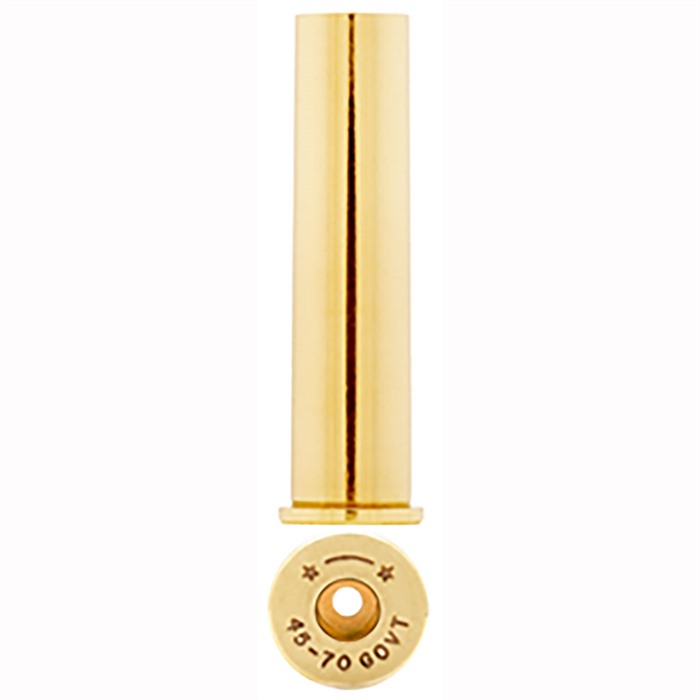
You can buy casings in bulk from ACME Bullet Company. Browse our available brass casing options, and contact customer support for bulk pricing, availability, and assistance with your order.
What are the best brands of sausage casings?
The best sausage casing brands depend on your needs: LEM and The Sausage Maker offer popular options for home processors, while natural casings are often preferred for traditional texture and flavor.
How to troubleshoot sausage casing issues?
To troubleshoot sausage casing issues, soak casings thoroughly, flush them with cool water, and avoid overfilling or stuffing too quickly. If casings split, reduce pressure; if they wrinkle, fill more evenly. Check for damage and follow the manufacturer’s handling instructions.
What is the cost of sausage casings?
The cost of sausage casings varies by type, material, and package size. Check the product listing for current pricing and availability.
Where to buy flavored sausage casings?
Flavored sausage casings can be purchased from specialty butcher-supply retailers, sausage-making stores, and online marketplaces. Compare flavor options, casing sizes, and product details before ordering.
How to identify high-quality sausage casings?
Identifying high-quality sausage casings involves checking for uniform thickness, clean appearance, consistent sizing, flexibility, and durability. They should be odor-free, properly prepared, and strong enough to withstand filling and cooking without splitting.
What are the environmental impacts of sausage casings?
The environmental impacts of sausage casings vary: natural casings are biodegradable but require animal processing, while synthetic casings use energy and materials and may create persistent waste. Choosing responsibly sourced, biodegradable, or recyclable options can reduce their environmental footprint.
How to use sausage casings for homemade sausages?
To use sausage casings for homemade sausages, soak natural casings in cool water until pliable, then rinse and slide one onto a sausage-stuffer nozzle. Fill evenly, avoid overstuffing, and twist or tie into links. Follow the casing package instructions for synthetic casings.
What are the nutritional aspects of sausage casings?
The nutritional aspects of sausage casings depend on the type: natural casings contain small amounts of protein and fat, while collagen casings may add protein. Synthetic casings are generally inedible and provide no nutritional value.
How to tie off sausage casings properly?
To tie off sausage casings properly, leave a little space at each end, twist the filled casing into links, then knot the ends securely with butcher’s twine or tie them with sausage clips.
What tools are needed for sausage casing preparation?
The tools needed for sausage casing preparation are a clean bowl for soaking, cool water for rinsing, and a small funnel or sausage stuffer for filling the casings.